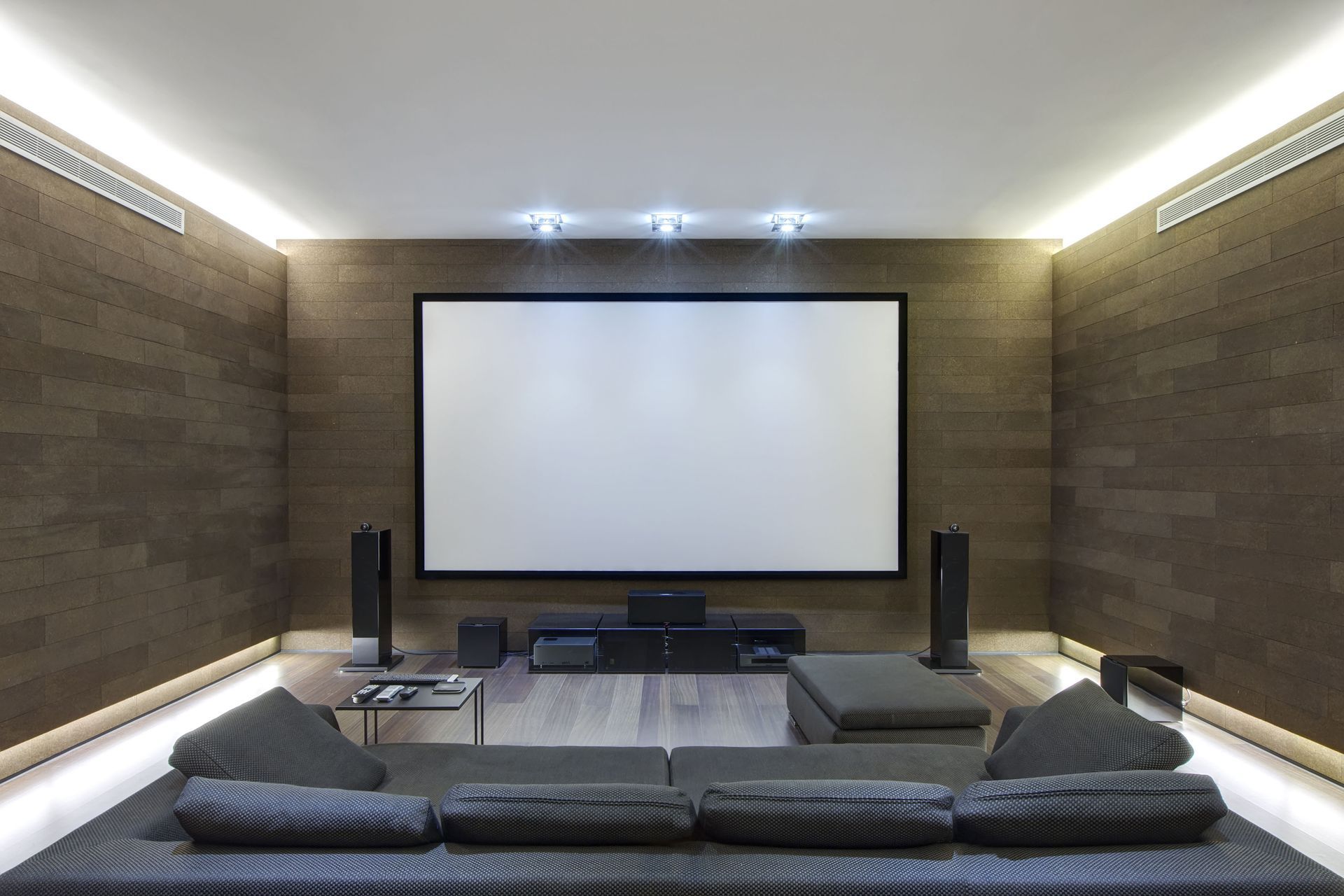
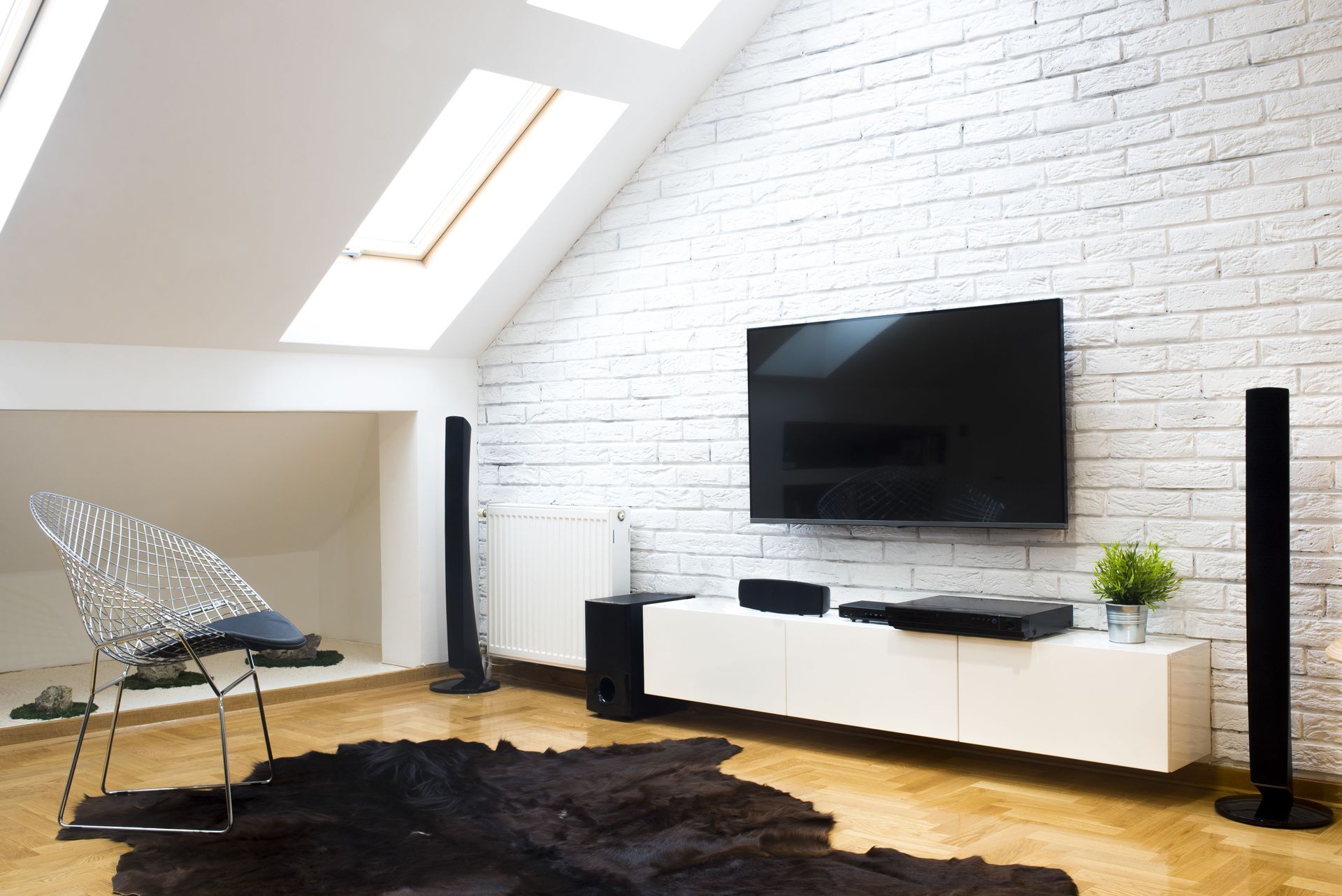
A memorable movie night starts with a viewing environment that makes the story feel larger than everyday life. A thoughtfully planned home theater can bring together a clear picture, comfortable seating, and sound that helps viewers feel connected to the action. The goal is to make the entire space work as one experience. When the key elements complement one another, even a familiar film can feel special.
Screen size, viewing distance, room dimensions, and seating positions all influence how comfortable the experience feels. A display should suit the room, viewing distance, and people using it. Professional planning helps balance these details before equipment is installed. This approach can make movie nights feel intentional rather than improvised.
Upgrade Picture Quality for Movie Nights
Picture quality shapes how viewers experience everything from sweeping landscapes to fast-paced action scenes. The right display depends on the room's lighting, available wall space, viewing distance, and preferred content. Some rooms may suit a large television, while others may benefit from a projector and dedicated screen. A carefully selected setup helps deliver clear images without overwhelming the home theater.
Lighting deserves attention alongside the display itself. Sunlight, reflective surfaces, and bright fixtures can affect contrast and make darker scenes harder to see. Window treatments and adjustable lighting help the room adapt to different uses. With the visual environment planned as a whole, a home theater can provide a more consistent picture experience across different types of content.
Build Sound That Brings Stories to Life
Audio can make a movie feel more immediate by placing dialogue, music, and sound effects around the audience. A planned speaker arrangement creates space for dialogue, music, and moving effects. The room's shape, seating layout, and surface materials affect how sound travels. Selecting equipment with those factors in mind can improve clarity and immersion.
Dialogue should remain understandable without requiring constant volume adjustments. Center-channel performance, speaker placement, and calibration can all contribute to balanced sound, while a subwoofer can add depth to suitable film soundtracks. The goal is not simply to make everything louder, but to create a controlled listening experience that fits the room. A professional setup can help coordinate the components and tune them for the main viewing positions.
Arrange Seating for Comfort and Connection
Comfortable seating gives guests a reason to settle in and enjoy the full film rather than shifting around throughout the evening. Recliners, sofas, and tiered seating each suit different room sizes and household preferences. The number of seats should match how the space is typically used, leaving enough room to move without blocking the screen or speakers. Thoughtful spacing also helps viewers maintain clear sightlines.
Consider how the room serves different kinds of gatherings. A family movie night may call for flexible seating, while a dedicated screening room may benefit from defined rows and individual recliners. Side tables and accessible cup holders can make refreshments easier to manage without interrupting the film. A professional design can coordinate comfort, traffic flow, and equipment placement so the home theater feels inviting as well as functional.
Add Lighting That Sets the Mood
Lighting can signal that movie night is different from an ordinary evening at home. Dimmable fixtures, indirect lighting, and subtle accent lights can create atmosphere while keeping walkways visible. Layered lighting supports films, gaming, and socializing before a screening. Controls that adjust multiple fixtures together make it easier to shift between those activities.
The placement and brightness of lights should complement the display rather than compete with it. Glare on the screen can distract from the picture, while a completely dark room may make it difficult to move safely. Carefully chosen lighting scenes can support introductions, intermissions, and the closing credits. These small touches help turn an ordinary viewing session into a more event-like experience.
Connect Streaming and Entertainment Sources
Many households now choose from a wide range of streaming libraries, subscription services, and connected devices. According to the Associated Press-NORC Center for Public Affairs Research, 78% of U.S. adults use streaming services such as Netflix, Prime Video, or Disney+. That widespread use makes convenient access to digital entertainment important in a home theater. A well-organized system helps people find what they want without spending the first part of the evening navigating devices.
A unified control experience can reduce the number of remotes and steps required to start a film. The home theater may coordinate a display, audio equipment, streaming players, game consoles, and other sources. Network performance also matters when content is streamed, especially in homes with several connected devices in use. Planning these connections helps keep the entertainment experience straightforward for household members and guests.
Design a Space for Snacks and Gatherings
Movie night often feels more like an event when guests can enjoy refreshments without disrupting the room. A nearby counter, compact snack station, or dedicated cabinet can provide a convenient place for popcorn, drinks, and serving items. The right option depends on available space and how the room connects to the kitchen or living areas. Keeping refreshments organized can reduce trips through the viewing area once the movie begins.
Storage also contributes to a polished and comfortable environment. Cabinets can conceal cables, game accessories, spare remotes, and other items that might otherwise clutter surfaces. A small area for blankets or extra cushions can help guests feel settled during longer films. These practical details make the room easier to use between screenings and help preserve its intended atmosphere.
Personalize the Experience for Every Occasion
A movie room can reflect the interests of the people who use it without sacrificing comfort or flexibility. Framed film artwork, team colors, collectible displays, or a restrained color scheme can give the space a distinctive personality. Decor should complement the screen and seating rather than create visual distractions. A consistent design approach helps the room feel finished while leaving the entertainment itself at the center.
The system can also support more than films. Families may use the room for sports, concerts, gaming, or watching seasonal favorites together. Flexible controls and thoughtful equipment choices make it easier to switch between these activities. A home theater designed around household routines can become a year-round gathering place.
Coordinate Technology for Simple Operation
Even sophisticated equipment should be straightforward to use when guests arrive and the movie is ready to start. A coordinated control system can combine common actions, such as turning on the display, selecting a source, adjusting the lights, and setting the sound level. Clear labeling and intuitive controls help different household members operate the setup confidently. That convenience matters when the goal is to enjoy the evening rather than troubleshoot technology.
Planning should account for reliability, compatibility, and upgrades. Equipment needs to work together, and cables, power, ventilation, and network access should be considered as part of the overall installation. Professional integration can help reduce avoidable complications and create a setup that suits the room. The result is a more seamless transition from choosing a movie to enjoying the first scene.
A memorable screening comes from more than a screen alone. Picture quality, immersive audio, comfortable seating, lighting, streaming access, and simple controls all contribute to an environment where friends and family can gather. Bammel Technology Services can help you consider the technology and room features that fit your entertainment goals. Contact Bammel Technology Services to discuss your ideas and explore options for creating a
home theater that makes movie night an occasion.